
Why Won’t My Refrigerator Stay Cold? When Hamilton Appliance Repair May Be Needed
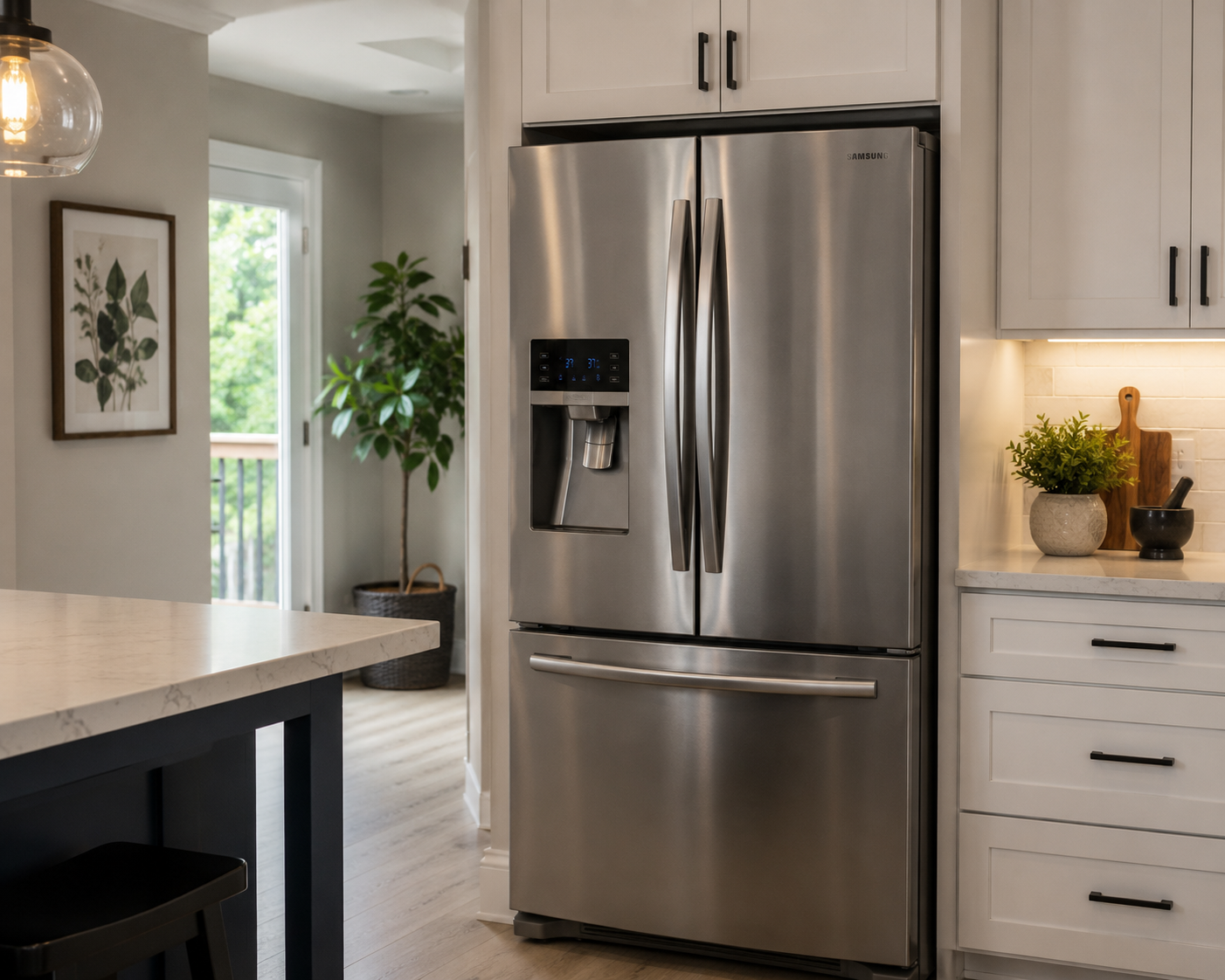
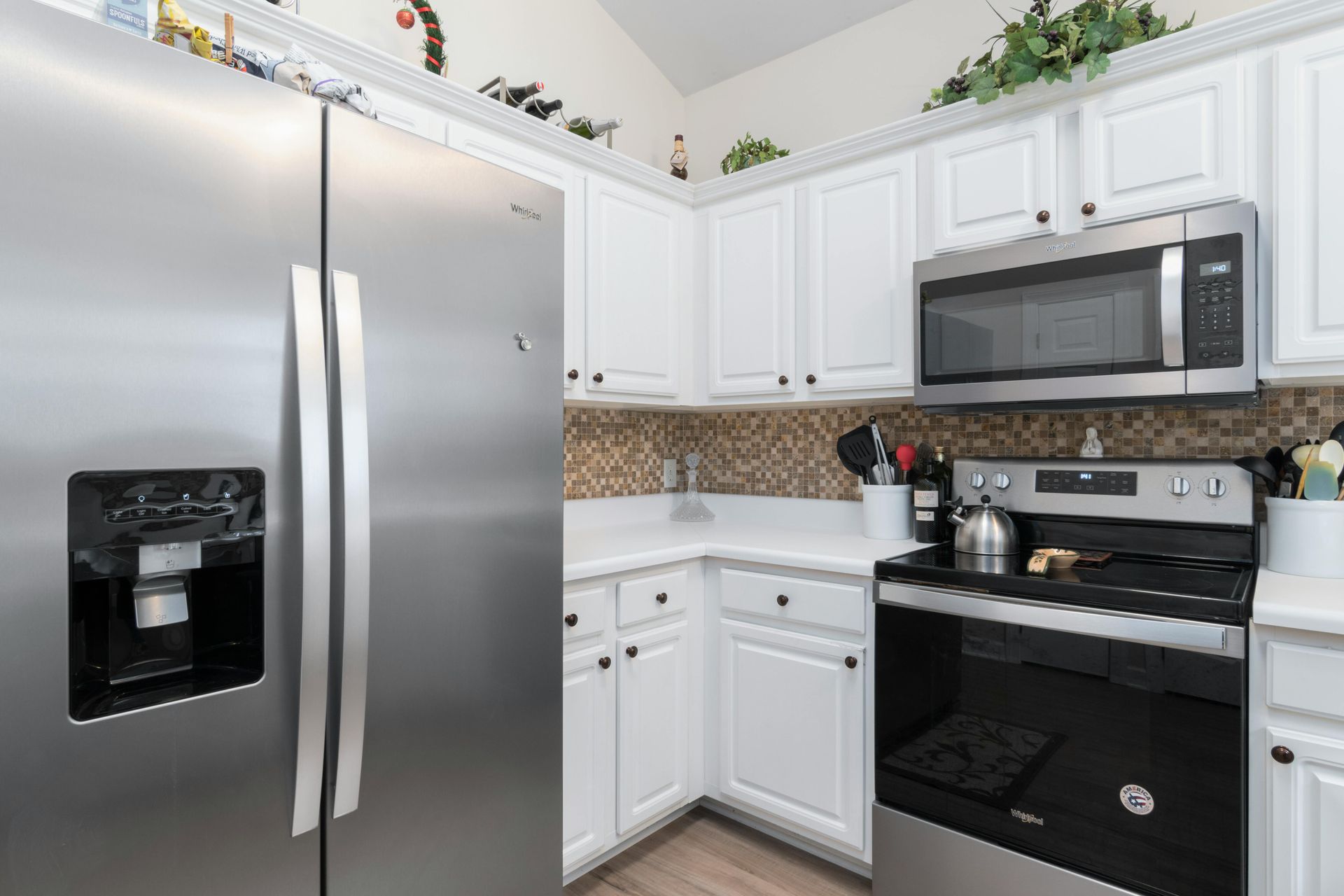
A refrigerator that will not stay cold needs prompt attention. First, confirm the temperature with an appliance thermometer, check that the door closes fully, and look for blocked interior vents or a recent change in loading. If food is warming or the problem returns after basic checks, arrange a professional diagnosis. At Sutton & Son, we handle fridge and freezer repair for Hamilton households, and we would rather identify the actual cause than have you buy a part on a guess.
Cooling trouble can come from a simple door seal or airflow issue, but it can also involve fans, controls, the defrost system, or the sealed refrigeration system. Similar symptoms do not prove the same fault. This guide explains what you can safely observe, how to protect food, and when appliance repair in Hamilton is the sensible next step.
What temperature should you check first?
Check the actual air temperature in the refrigerator and freezer compartments with a separate appliance thermometer. Do not assume the control display reflects the temperature of your food. Place the thermometer according to its instructions, give it time to settle, and compare readings at more than one point if you suspect an airflow problem. Note when you first saw the change and whether the freezer is also warming.
For food safety, follow current public-health guidance for safe storage and discard decisions. Health Canada advises keeping refrigerators at 4°C or below and freezers at −18°C or below. If you are uncertain how long perishable food has been above a safe temperature, avoid tasting it to decide whether it is safe. That is a food-safety question, not a repair test. Once food is protected, the observations you collect can help our technician diagnose the appliance.
A thermometer is also useful after a repair. It shows whether temperatures have stabilized over time instead of relying on how cold a shelf feels. A brief warming immediately after a door has been open or a large grocery load has been added is different from a steady upward trend.
Why can the fridge be warm while the freezer seems cold?
In many refrigerator designs, cooling originates near the freezer section and air must move to the fresh-food compartment. If a fan is not circulating air, an air passage is blocked, or frost has built up where it should not, the freezer may still appear colder than the refrigerator. Layout differs by model, so this pattern is a clue rather than a diagnosis.
Look at how food is stored. Containers pressed against supply or return vents can restrict airflow. A tightly packed compartment may also slow circulation. Move items away from visible vents, close the door, and allow time for the temperature to recover. If the problem persists, tell us whether you hear a fan when the appliance should be running, whether there is frost on the rear freezer panel, and whether the refrigerator temperature fluctuates.
Do not dismantle panels to chase a fan or heater yourself. Electrical parts, sharp metal edges, and model-specific assemblies create risk. We can test the relevant components and determine whether a repair is appropriate.
Could the door or gasket be the problem?
A door that is slightly open can make the appliance run longer while warm, humid air enters. Check for a package, shelf, or drawer that prevents full closure. Inspect the gasket for visible tears, dirt, warping, or sections that do not contact the cabinet evenly. Clean it gently according to the manufacturer's guidance and make sure it seats properly.
Door alignment and cabinet level can also affect closure. If the door swings open by itself or a gasket gap reappears, do not keep compensating by turning the temperature setting colder. That may mask the symptom without fixing the air leak. Tell our team which door is affected and whether the problem began after moving the appliance or removing shelves.
A simple paper check around the perimeter may help you notice a loose seal, but it is not a complete diagnostic test. The correct fix might involve adjustment, a gasket, a hinge, or another issue. We diagnose the assembly before recommending parts.
Does a dirty condenser area explain poor cooling?
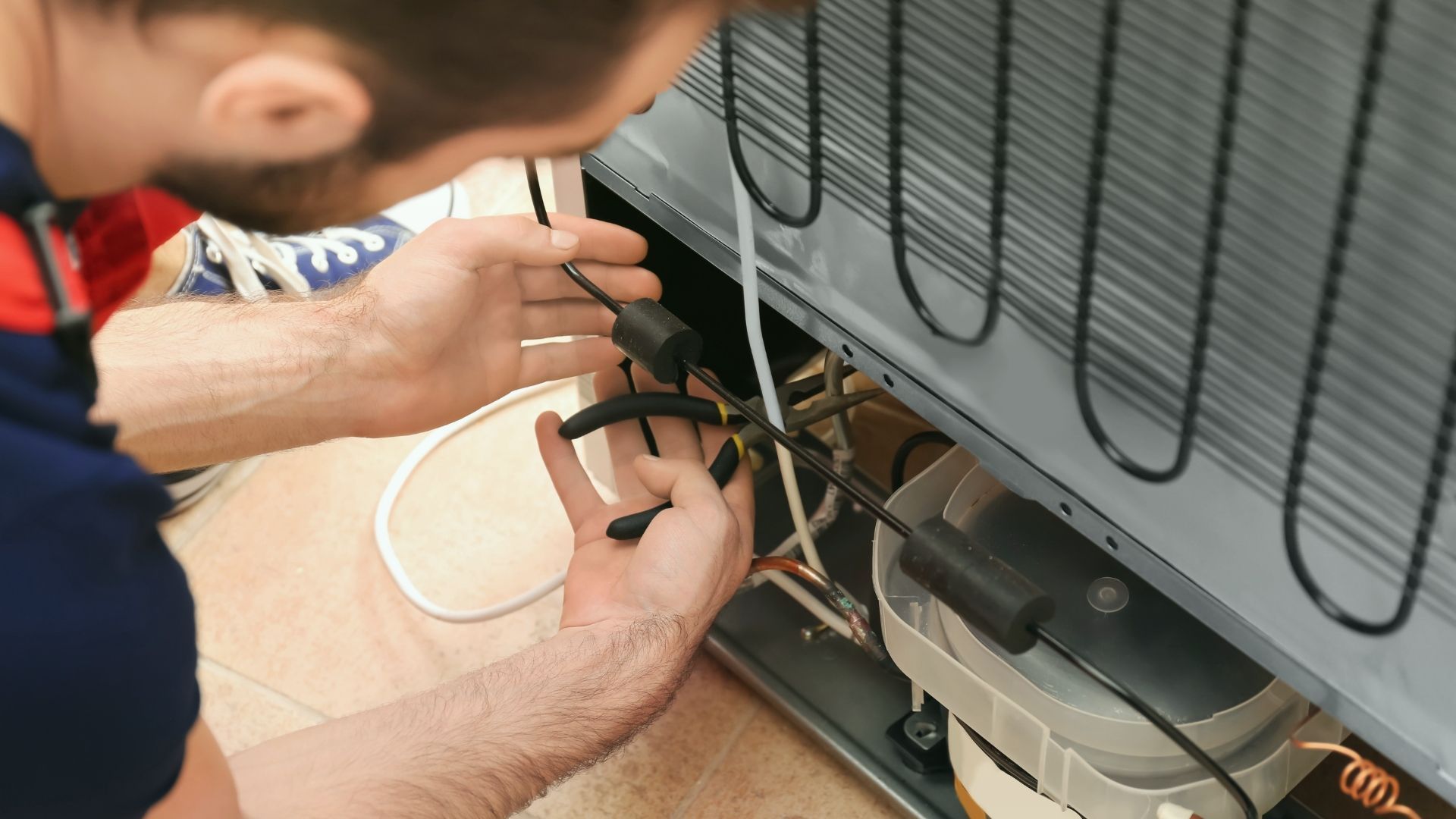
Dust and pet hair around accessible condenser surfaces can affect heat rejection on some models. The location and cleaning method vary: coils may be behind or beneath the unit, and some designs require a different approach. Consult the owner's manual before attempting any cleaning, disconnect power as directed, and avoid bending tubing or touching electrical components. If access is difficult, leave the work to a professional.
A dirty condenser is one possible contributor, not an all-purpose explanation. If the fridge remains warm after safe maintenance, the underlying fault may be elsewhere. We ask about recent cleaning because it provides context, not because every warm fridge needs the same service.
Also check whether the appliance has enough clearance and ventilation according to its installation instructions. A recent renovation or cabinetry change can alter airflow around the unit. Do not pull a heavy refrigerator out alone if water lines, flooring, or cabinetry could be damaged.
What do unusual sounds tell you?
A refrigerator cycles through different sounds: compressor operation, fans, water valves, and defrost-related noises can all be normal. What matters is a change from its usual pattern combined with poor cooling. Tell us whether you hear clicking, a new rattle, a continuous loud hum, or silence when the appliance should be running. Note whether the sound comes from inside the freezer, behind the cabinet, or near an ice maker.
Avoid concluding that a compressor has failed solely from a click. A start component, control, fan, or another issue may create a similar impression. We test electrical and mechanical parts as appropriate and explain what the findings mean. Accurate symptom notes can shorten the conversation, but testing is still required.
If you smell burning, see damaged wiring, or notice a tripped breaker that repeatedly trips again, stop using the appliance and seek qualified help. Do not repeatedly reset a protective device to keep food cold.
Why might the freezer also be warming?
When both compartments rise in temperature, possibilities include a loss of power, an incorrect control setting, a failed cooling component, poor condenser airflow, or a defrost or control issue depending on model. Start with the obvious: is the display on, is the plug secure and outlet working, and has a household breaker tripped? Do not use an extension cord as a workaround.
Check whether the appliance was recently moved, unplugged, or loaded with warm food. Record when the issue began. If both sections remain warm, focus immediately on food safety and a service call. Leaving perishable food in an inadequately cooled compartment while experimenting for days is not a good troubleshooting strategy.
Some models show error codes or alarms. Write down the exact code and the model number; do not erase it before taking a photograph if that is convenient. The information can help us narrow the diagnostic path.
Should you unplug the refrigerator to reset it?
An owner's manual may include a specific reset procedure for a control issue, but repeated power cycling is not a reliable repair. It may temporarily clear an alarm while the underlying problem continues. It can also make intermittent symptoms harder to observe. If you have already tried a manual-approved step, tell us what you did and whether cooling changed afterward.
Do not open sealed refrigeration lines or handle refrigerant. Do not bypass switches, remove live panels, or replace electrical components without the proper training. We can advise by phone on safe preliminary checks and determine whether a technician should inspect the unit.
When should you book refrigerator repair in Hamilton?
Call when an independent thermometer confirms persistently warm temperatures, food is at risk, the unit fails to recover after basic door and vent checks, or the problem keeps returning. A loud new noise, heavy frost where it does not belong, a water leak, or an error code paired with poor cooling also merits a diagnosis. Some issues progress slowly, so a fridge that still cools occasionally may nevertheless need attention.
At Sutton & Son, our website lists fridge and freezer service as part of our Hamilton-area appliance repair work. We offer an initial analysis by phone to help you decide the next step. Have the make, model, approximate age, symptoms, and any temperature readings ready. Tell us whether the freezer and refrigerator compartments are affected equally and whether an ice maker or water dispenser is involved.
A professional diagnosis should connect the observed symptom to a tested cause. We can discuss the likely repair, parts availability, and cost before you decide whether to repair or replace. The economics depend on the unit, condition, part, and your priorities; there is no universal age at which every fridge should be discarded.
What should you do while waiting for service?
Protect food first. Keep the doors closed as much as possible while you assess temperatures, and move perishables to a reliably cold refrigerator or cooler if necessary, following public-health guidance. Do not assume an appliance is maintaining safe conditions merely because its light and display work.
Take a few notes rather than performing intrusive tests: the thermometer readings, time of day, when the door was last left open, whether the freezer is cold, any error code, and any water or frost. Photograph the model label if accessible without moving the appliance unsafely. If there is a leak, protect the floor and shut off an accessible water supply if you know how to do so safely.
Clear a path for the service visit. If the unit is built into cabinetry or connected to a water line, mention that when booking. We do not want a technician to discover access constraints only after arriving.
How does this relate to other appliance problems?
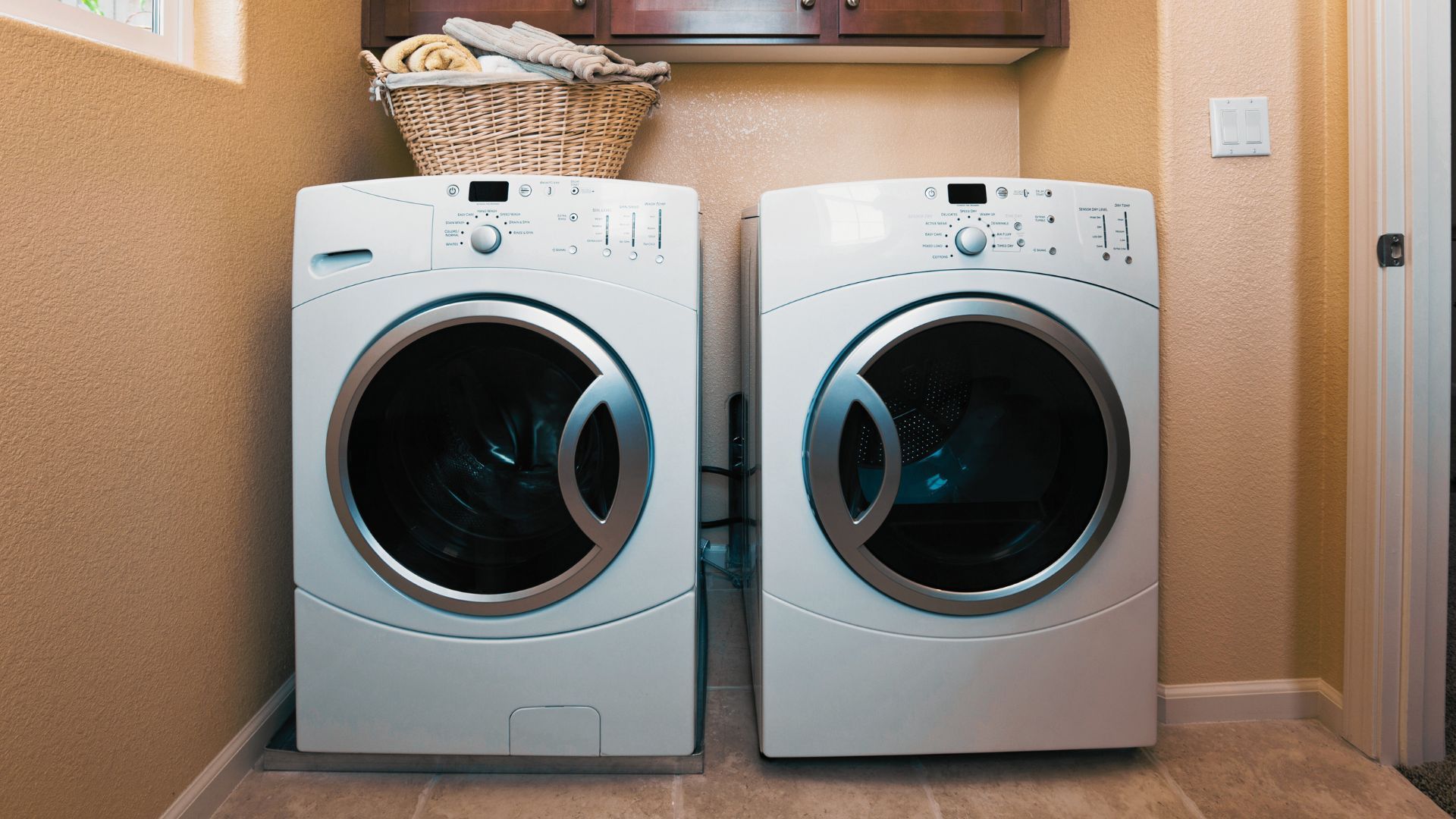
A household may notice several appliance issues at once, but the symptoms and repairs are distinct. For example, a washer that will not drain or a dryer that stops heating needs its own diagnosis. Our [washer and dryer repair service] is available for those separate laundry issues; a laundry page should not be used to diagnose a refrigerator. We include the connection because many Hamilton homeowners prefer one appliance-service contact when planning more than one repair.
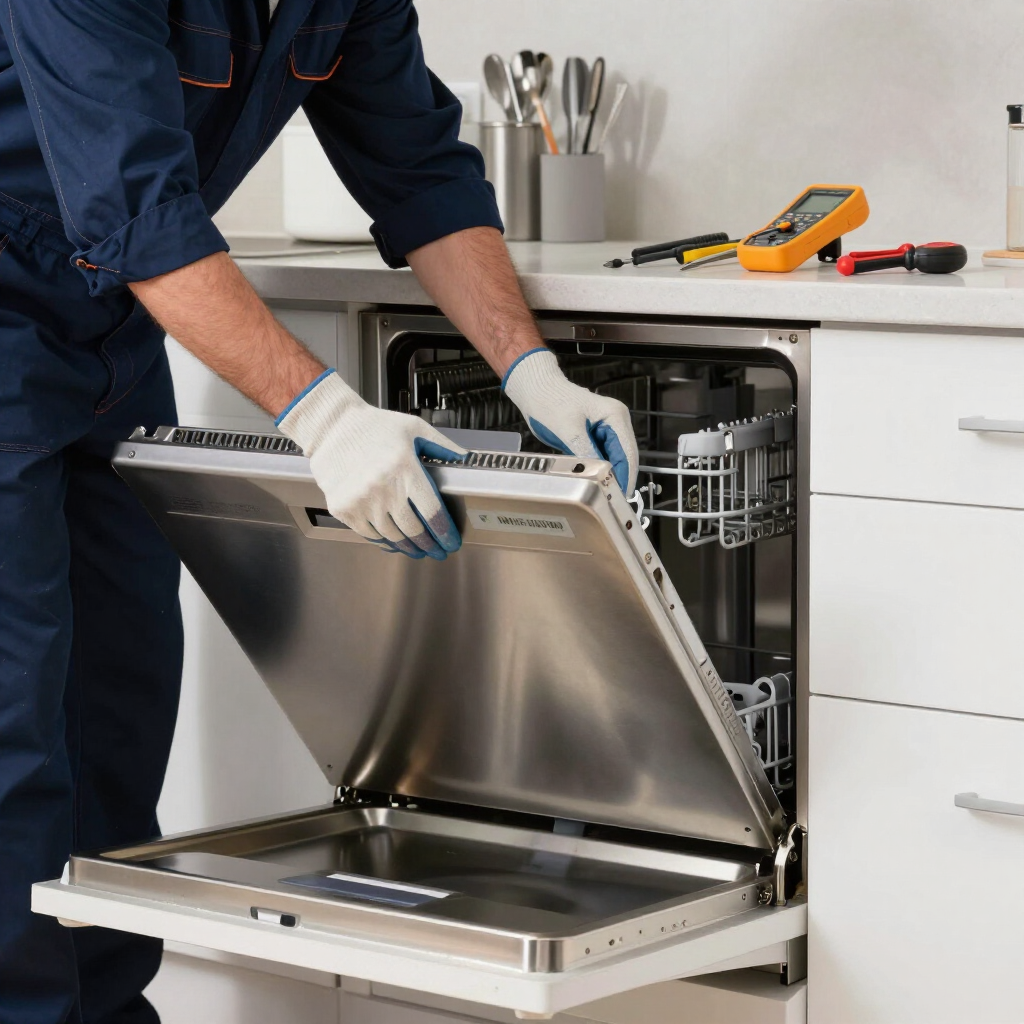
Likewise, a refrigerator cooling issue does not imply the same cause as a dishwasher that fails to dry dishes. Describe each appliance separately when you call. We can organize the information and tell you what service arrangements are possible without conflating the diagnoses.
Let us identify the cause
If your refrigerator will not stay cold, begin with safe, simple checks and protect the food. Then let us test the appliance before anyone orders a part or assumes replacement is necessary. Sutton & Son serves Hamilton and surrounding communities with fridge and freezer repair as well as other appliance services. Tell us what you are seeing, and we can help plan the next step.